











150 representatives from six German Centers for Health Research (DZG) from the partner sites in Heidelberg and Mannheim met on February, 28 2024 for the first DZG Heidelberg-Mannheim Day. Overview presentations gave participants an insight into translational highlights of all individual DZGs and poster presentations and a panel discussion provided further opportunities to strengthen their networking and cooperations.
Interdisciplinary exchange and translational research approaches were the focus of the agenda of the first DZG Heidelberg-Mannheim Day, which was attended by representatives from the German Cancer Consortium (DKTK), the German Center for Diabetes Research (DZD), the German Center for Cardiovascular Research (DZHK), the German Center for Infection Research (DZIF), the German Center for Lung Research (DZL) and the German Center for Mental Health (DZPG). The overarching aim of this meeting was to strengthen existing collaborations, identify common interdisciplinary topics and promote cooperation and networking between the DZGs.
Prof Stephan Urban (speaker of the DZIF partner site Heidelberg) opened the meeting on behalf of all DZG speakers in Heidelberg and Mannheim. Prof Michael Boutros (dean of the Medical Faculty at Heidelberg University) emphasized the important role of the DZG for the research landscape in Heidelberg-Mannheim and highlighted the importance of interdisciplinary cooperation for high quality research outcomes.
On behalf of the DZG board of directors, Dr Philipp Gebhardt (Scientific Managing Director of the DKTK) presented an overview of the DZG overarching activities and announced the third call of the DZG Innovation Fund, which invites applications for interdisciplinary projects on the topic of “Inter-Organ Metabolomics”.
The speakers of the individual DZGs in Heidelberg and Mannheim gave an overview of their individual DZG and their infrastructure and highlighted the potential of existing DZG research collaborations for creating synergies in translational research. Scientists from all six DZGs presented exemplary their research projects in lectures on both topics of "Public Health" and "Translational Approaches". In addition, poster presentations gave insights into individual research topics, translational highlights and infrastructures of the individual DZGs.
In a final panel discussion moderated by PD Dr Martin Gerchen (DZPG), representatives of the six DZGs and Prof Rohini Kuner, vice dean for research of the Medical Faculty in Heidelberg, discussed established and new approaches to support the career paths of young researchers at different career stages. Therein, strengths of current programes in Heidelberg and Mannheim and ideas for improvement of existing career-related activities were discussed together with the audience.
The successful event was closed by Prof Johannes Backs (speaker of the DZHK partner site Heidelberg-Mannheim), who highlighted again the strengths of the existing DZG partnerships and encouraged all participants to follow up on new collaborative ideas for patients health.
Source: DZIF Heidelberg
These are the findings of a study conducted over several months by a team led by DZPG neuroscientist Prof. Dr. med. Markus Ullsperger from the Institute of Psychology at the Otto-von-Guericke University Magdeburg together with colleagues from the University Clinic for Psychiatry and Psychotherapy and the German Center for Mental Health.
Using brain wave measurements (EEG) and complex mathematical computer modeling, the research team discovered that learning deficits in depressive and schizophrenic patients are caused by reduced flexibility in the use of new information.
The study has just been published in the internationally renowned journal Brain under the title "Transdiagnostic inflexible learning dynamics explain deficits in depression and schizophrenia".
"People suffering from depression or schizophrenia often suffer from cognitive impairments," says the study's first author, Dr. Hans Kirschner. Among other things, they find it difficult to understand complex information, learn, plan, or generalize a situation. "Above all, deficits in using feedback from the past to control future behavior are a core problem for those affected." These cognitive limitations are very distressing for patients and have a strong influence on the outcome of therapy, adds neuropsychologist and psychotherapist Dr. Tilmann Klein. "If we can better understand these deficits and their causes, we will be able to design therapies such as functional training in a more specific and targeted manner in the long term."
In order to find out whether the psychological and neuronal mechanisms that lead to cognitive impairments are the same in different mental illnesses, the scientists examined both patients with a diagnosis of major depressive disorder or schizophrenia and a control group of 33 people.
The subjects were repeatedly shown pictures of animals on a screen that were associated with either a high or low probability of reward or punishment, i.e. positive or negative feedback. The test subjects had to decide whether they wanted to bet on the animal or not and thus either win or lose 10 points. If they didn't bet, they didn't win or lose anything. But then they saw whether they would have won or lost if they had bet. "During the rounds, the subjects had to decide whether it was worth betting and risking a loss, or whether it was better not to bet and lose nothing," explains Dr. Kirschner.
"The procedure can be compared to a game of roulette," explains the neuroscientist. "If you bet, you win or lose. But if you don't bet, you can still see where the little ball lands and figure out what would have happened if you had bet. The difference in our study is that the subjects were actually able to learn, because over time you eventually learn whether an animal is rewarded or punished on average, and then you can either always bet on that animal and thus maximize your profits or minimize your losses."
Optimal learning in this task would therefore mean that the test subjects pay more attention to the feedback - i.e. the gains or losses of an animal - at the beginning of the learning process, says Kirschner. "After they get a feeling for the probability of an animal winning, they ignore misleading feedback, for example that a picture that usually has a high probability of losing also wins from time to time."
While healthy subjects behaved in the same way, groups of patients suffering from depression or schizophrenia were more influenced by random errors. "Imagine a basketball player shooting at a basket," explains neuroscientist Dr. Kirschner. "The bad player rarely scores and would not make the team. The good player scores often, but not always, but you would still put him on the team. However, both patient groups in the study would also replace the good player immediately after a bad shot". The EEG showed that both patient groups had a reduced neural representation of reward expectation. "This means that the scoring rate of a good basketball player is stored weaker in the brain and is overwritten more quickly when the player does not score.”
Dr. Hans Kirschner summarizes the results of the study by saying that it greatly expands our knowledge of cognitive impairments in patients with a diagnosis of schizophrenia or depression. "In particular, we have also been able to demonstrate the benefits of computer models in which we attempt to describe complex learning mechanisms mathematically and implement them as computer simulations." In this way, learning behavior that is difficult to predict can be simulated and compared with the behavior of test subjects in specific tasks. "With this approach, we will be able to quantify and characterize learning deficits in a more differentiated way in the future. And a better understanding of these deficits will in turn allow us to further develop current therapies for depression and schizophrenia in a targeted manner. We hope that our research will benefit many patients in the future and help them to cope better in everyday life."
Original publication: Transdiagnostic inflexible learning dynamics explain deficits in depression and schizophrenia. Kirschner, H., Nassar, M.R., Fischer, A.G., Frodl, T., Meyer-Lotz, G., Froböse, S., Seidenbecher, S., Klein, T.A., Ullsperger, M. Brain. 2024 Jan;147(1): 201–214.
Source: DZPG
Heart failure affects millions of people worldwide and the search is still on for a drug that can help patients in the long term. A new study by cardiologist PD Dr Alessio Alogna (Deutsches Herzzentrum der Charité Berlin and DZHK partner site Berlin) has provided the first data on peptide transport from the lungs to the heart using nano-in-micro technology (LungToHeartNiM technology). The study was recently published in the Journal of the American College of Cardiology (JACC).
Normally, calcium flows into the heart muscle cells via specific L-type calcium channels, which are transported from the cytoplasm to the cell membrane of the heart muscle cells, and ensures that the heart beats sufficiently. However, this transport is impaired in people with heart failure. The researchers led by Alessio Alogna wanted to understand this in more detail: In their study, they investigated the tolerability and efficacy of an inhalable drug designed to influence the disrupted transport of the L-type calcium channel in the heart muscle cells.
Using an established pig model that closely mimics human heart failure with reduced ejection fraction, the team was able to gather and scientifically substantiate some important findings: The LungToHeartNiM technology used for daily inhalation of the therapeutic peptide is effective. The study also shows improved contractility of the left ventricle and good tolerability of the therapy.
The whole thing is to be tested clinically in the future. In the long term, patients with severe heart failure could live longer with their disease by inhaling the drug spray - if successful, this could also reduce the demand for donor hearts, as the medication combats an important cause of the disease and allows the heart to recover.
"The general tolerability and the positive effects could fundamentally change the treatment of patients with heart failure," said Alessio Alogna. "We have demonstrated an innovative and non-invasive approach to deliver a therapeutic peptide directly to the myocardial cells of the diseased heart. Our approach not only simplifies the treatment process, but also significantly reduces discomfort and potential side effects for patients."
The publication by PD Dr Alessio Alogna on nano-in-microtechnology from the lungs to the heart was selected as "DZHK Paper of the Month" in February 2024.
The study was supported by the European Union through the HORIZON 2020 consortium Cupido, led by Dr Daniele Catalucci from the Humanitas University Hospital - National Research Council (CNR) in Milan. Several centres and companies were involved in the study.
Original publication: Lung-to-Heart Nano-in-Micro Peptide Promotes Cardiac Recovery in a Pig Model of Chronic Heart Failure. Alogna, A., Berboth, L., Faragli, A. et al. J Am Coll Cardiol. 2024 Jan 2;83(1):47-59.
Source: DZHK
How can gastrointestinal stromal tumors (GIST) be treated and new therapies developed? For more than ten years, oncologists in Essen and drug researchers in Dortmund have been battling the rare gastrointestinal cancer GIST. The latest results of their long-standing collaboration have now been published in the Journal of Clinical Oncology and in Nature Communications.
Under the leadership of Prof. Bauer, the researchers were able to identify a completely new form of resistance mechanism that explains why patients suffering from GIST no longer respond to the latest therapies. This work is an important prerequisite for the development of new therapies.
The second study, led by Prof. Rauh, deals with the binding mode of the newly approved drug avapritinib, for which resistance mutations have already occurred after a short time. The study provides important findings for the development of innovative active substances that can circumvent this resistance.
Both publications are the result of close cooperation between the oncologists in Essen and the drug researchers in Dortmund. While Prof. Bauer and his team primarily work clinically and are therefore very close to GIST patients and develop genetic tumor models that can be used to investigate drug resistance, Prof. Rauh's team focuses on the molecular causes of these resistance mutations. Using X-ray structure analyses and preparative organic synthesis, the researchers are developing targeted active substances that are able to circumvent resistance in GIST and thus provide new starting points for the development of future drugs.
The joint work has made a significant contribution to understanding the molecular mechanisms behind the resistance mutations in GIST, thus enabling the development of new approaches to overcome them.
The research work was supported by the German Research Foundation (DFG), the Drug Discovery Hub Dortmund (DDHD), the NRW program "Networks 2021" (CANTAR) and the Mercator Research Center Ruhr (IGNITE).
Original publications:
KIT ATP-Binding pocket/Activation Loop Mutations in GI Stromal Tumor: Emerging Mechanisms of Kinase Inhibitor Escape. Mühlenberg, T., Falkenhorst, J., Schulz, T. et al. J Clin Oncol. 2024 Feb 26:JCO2301197.
Avapritinib-based SAR studies unveil a binding pocket in KIT and PDGFRA. Teuber, A., Schulz, T., Fletcher, B.S. et al. Nat Commun.2024: 15, 63.
Source: DKTK
Epstein-Barr Virus (EBV) is widespread and very contagious: according to the World Health Association, more than 90 percent of the global population are infected with this virus throughout their lives. The virus causes B and T cell lymphomas (cancer of the lymphatic system) as well as carcinomas (epithelial cell cancer) in humans. In a recent study published in the journal Nature Communications, a team of researchers led by DZIF scientist Arnd Kieser at Helmholtz Munich unveiled the molecular basis for lymphoma development by EBV and identified a new and promising target structure for anti-EBV drug development.
Every year, around 160,000 people worldwide die from EBV-associated cancer. Infection with this virus is also a risk factor for the development of multiple sclerosis. Therefore, there is an urgent medical need for tailored therapies for EBV-associated diseases, and validated therapeutic targets for EBV-positive cancer are needed as starting points for drug development.
An oncogene is a gene that has the potential to cause cancer. Latent membrane protein 1 (LMP1) is the primary oncogene of EBV: It drives oncogenic cell transformation and tumour development. The authors show in the study that the viral LMP1 protein forms a direct complex with TRAF6, a protein derived from the host cell that is involved in biochemical signal transmission processes such as the activation of the NF-kappaB pathway (a cellular pathway, regulating genes involved in immunity, inflammation and cell survival). Furthermore, the researchers provide detailed insights into the molecular functions and structure of the LMP1-TRAF6 complex and demonstrate that the direct interaction of the two proteins is critical for LMP1 to activate the NF-kappaB pathway and to promote cell survival in lymphoma cells.
In summary, the LMP1-TRAF6 complex is identified as an important novel virus-host interface that is critical for the survival of EBV-positive lymphoma cells. By disrupting the direct complex of LMP1 and TRAF6 with inhibitory peptides it is possible to efficiently interfere with the survival of EBV-transformed human B cells. With this study the authors identify and validate the complex of LMP1 and TRAF6 as a promising novel therapeutic target structure in EBV-associated cancer, a breakthrough in the EBV and cancer field.“This publication and our studies on the interaction between the LMP1 protein of EBV and the cellular TRAF6 protein will allow the development of innovative inhibitory molecules as future drugs directed against EBV-driven cancer”, says Prof. Arnd Kieser, last author of the study and scientist at Helmholtz Munich and the German Center for Infection Research (DZIF).
Source: DZIF
The wave of protests against right-wing extremism, with demonstrations in many different locations in Germany, has been going on for around a month. This was triggered by disclosures made by the Correctiv research center about a meeting of radical right-wingers in November.
Against this background, the Alliance of Science Organizations has published a statement. We, the German Centers for Health Research, join the Alliance's commitment to an open society and a strong democracy against intolerance and xenophobia.
With around 7,000 members, the DZG is Germany's largest health research network. People with different biographical backgrounds work in the partner institutions of the DZG. This diversity is essential for the success of research and, therefore, for the best treatment of patients. People in our country must not be marginalized and persecuted.
We must continually develop an open society and a strong democracy in order to rise to future challenges in our country
"As Alliance of Science Organisations in Germany, we emphatically condemn all and any anti-democratic and inhumane endeavours. We vehemently reject the racist statements that have circulated in recent weeks. They are in no way compatible with the values of our organisations. United, we oppose them in the clearest possible terms.
The many protests throughout Germany are an impressive demonstration of the deep solidarity in our society. We regard the clear commitment of the many people who are visibly standing up for the fundamental values of our democracy at this time as an enormously encouraging sign.
This is because an open society and a strong democracy build the foundation for our future. We are now all called upon to work with perseverance and a strong commitment to preserve this foundation. There can be no room for intolerance and xenophobia in Germany. The science organisations in particular must advocate an open, reasoned culture of debate and work to overcome social divisions.
In order to jointly solve the major challenges of our time, we need a broad diversity of talent and ideas. This premise applies unreservedly to the entire scientific spectrum, from fundamental research to the transfer of newly-won insights to business and society: international talent is an essential pillar of our system of innovation. The development of sustainable solutions can only succeed through international exchange and with employees and students who come to us in large numbers from abroad. Anyone who marginalises people, or even wishes to deport them, is therefore not only acting in an appallingly inhumane manner and is oblivious to history, but is also acting to destroy Germany’s future viability.
The Alliance of Science Organisations is an association of the most significant science organisations in Germany. It regularly comments on important issues of science policy. The Max Planck Society is a member of the Alliance and has taken on the role of spokesperson for 2024. Other members are the Alexander von Humboldt Foundation, the German Academic Exchange Service, the German Research Foundation, the Fraunhofer-Gesellschaft, the Helmholtz Association of German Research Centers, the German Rectors’ Conference, the Leibniz Association, the German National Academy of Sciences Leopoldina and the German Science and Humanities Council."
Source: Alliance of Science Organisations in Germany
An international research team from the DZL, led by Lung Research of Giessen, has discovered a new repair mechanism with therapeutic potential. The work has now been published in "Nature Communications".
How does the body repair damage to the lung tissue after a viral pneumonia and how can these processes be influenced therapeutically? An international research team led by Giessen lung and infection researcher Prof. Dr. Susanne Herold, Professor of Internal Medicine, Infectiology and Experimental Pneumology at Justus Liebig University Giessen (JLU), is investigating these questions. Infections with respiratory viruses such as influenza viruses, the viruses that cause influenza, RS viruses or coronaviruses can trigger viral pneumonia, which in the worst case can lead to lung failure. The scientists have now been able to identify a protein that mitigates the lung damage caused by influenza viruses and could have therapeutic potential. The results have been published in the journal "Nature Communications".
Severe pneumonia is associated with a rapid decline in gas exchange in the lungs, so that rapid regeneration of the damaged lung tissue is necessary. Macrophages, also known as phagocytes, play an important role in the repair of lung damage caused by inflammation. They are an essential component in the immune defense processes and ensure, among other things, that pathogens are broken down in the body. A distinction is made between site-independent macrophages, which are transported to the site of action via the blood as required, and "sedentary" macrophages, which are produced by the immune system. Tissue-resident alveolar macrophages are long-lived cells in the alveoli, where the gas exchange between blood and air takes place. Here they ensure stable conditions in the lung tissue (tissue homeostasis) and are involved in the direct defense against pathogens. Several studies have shown that alveolar macrophages are decimated during viral pneumonia and are gradually replaced by mobile macrophages originating from the bone marrow during the course of the infection. These transform into alveolar macrophages in the inflamed lung.
The research team has discovered that during the transformation process of mobile macrophages into alveolar macrophages, the protein Plet1 is produced to a high degree. Plet1 plays an important role in lung repair by inducing the proliferation of alveolar epithelial cells - specialized cells that line the alveoli - and the resealing of this cell layer barrier. These positive effects could also be induced externally: The administration of Plet1 mitigated viral lung damage in the preclinical model and led to a significantly faster recovery after a severe infection, which is otherwise fatal. "For the first time, we have identified a factor that directly mediates the repair of the damaged lung. This finding underlines the therapeutic potential of Plet1 to combat severe lung damage in viral pneumonia, and possibly also in other forms of acute or chronic lung failure," says DZL scientist Prof. Herold.
Scientists from various Giessen infection and lung research institutions - German Center for Lung Research (DZL), University Hospital Giessen and Marburg (UKGM) at the Giessen site, Universities of Giessen and Marburg Lung Center (UGMLC) - were involved in the study, German Center for Infection Research (DZIF), Institute of Lung Health (ILH), Cardiopulmonary Institute (CPI) Cluster of Excellence, the Universities of Heidelberg and Bonn, the Max Planck Institute for Heart and Lung Research in Bad Nauheim and the Instituto de Investigación en Biomedicina de Buenos Aires (IBioBA) in Buenos Aires (Argentina).
Original publication: Alveolar macrophage-expressed Plet1 is a driver of lung epithelial repair after viral pneumonia. Pervizaj-Oruqaj, L., Selvakumar, B., Ferrero, M.R. et al. Nat Commun 15, 87 (2024).
Source: DZL
Since May 2023, experts at the Deutsches Zentrum für Psychische Gesundheit (DZPG) have been working to improve the mental health of the population and destigmatise mental illness through collaborative research. At six locations in Germany, clinicians and researchers work together with patients and their families.
"The DZPG is the most important federal and state funding measure for research in psychiatry and psychotherapy in Germany to date," says Prof Andreas Heinz, Director of the Department of Psychiatry and Psychotherapy at Charité - Universitätsmedizin Berlin. "It is a milestone in mental health research and opens up the possibility of sustainably improving the health literacy of the population and the care of patients," adds Prof Andreas Meyer-Lindenberg, Director of the Central Institute of Mental Health in Mannheim. Heinz and Meyer-Lindenberg are currently spokespersons of the DZPG board.
During the two-year start-up phase, research will focus on the early identification and treatment of people at risk of mental disorders, in order to prevent the development or consolidation of such disorders. In particular, the influence of living conditions, including childhood trauma, will be investigated in order to develop new treatment methods. It is also important to the DZPG that research findings actually reach people and that practical experience is used to develop research questions.
To this end, the DZPG will establish joint research infrastructures, for example for the digital collection of health data from everyday life and for the development of innovative therapeutic approaches that take into account biological, psychological and social influences.
In 2018, the German government decided to establish the DZPG as part of the German Centres for Health Research. In 2021, six locations were selected in a competitive process: Berlin-Potsdam, Bochum-Marburg, Halle-Jena-Magdeburg, Mannheim-Heidelberg-Ulm, Munich-Augsburg and Tübingen. A total of 27 university and non-university research institutions are working together at these locations. The German federal and state governments intend to provide long-term funding for the DZPG from 2025.
The DZPG has focused on participation from the outset: those affected and their relatives are involved in all research processes and in all decision-making bodies. All six locations send representatives to the Trialogical Center Council. Young scientists are also involved in decision-making processes at an early stage.
The six research locations and the Trialogical Center Council are now also visually linked by a uniform corporate design. The DZPG logo with overlapping color areas and organic shapes symbolizes the diverse moods and states of mind of the human emotional world.
At www.dzpg.org, interested parties can now find information on the organization, research projects and goals as well as informative texts and helpful links on the topic of mental health.
Source: DZPG press release
Epigenetically active drugs enable the cell to read parts of the genome that were previously blocked and inaccessible. This leads to the formation of new mRNA transcripts and also new proteins, as scientists from the German Cancer Research Center and the University Hospital Tübingen have now published. These "therapy-induced epitopes" could help the immune system recognize cancer cells.
Immunotherapies are an integral part of the treatment spectrum for many types of cancer. However, not all patients benefit from them. One of the reasons for the failure of this form of treatment may be that the patient's immune system does not recognize the cancer cells as such. A fundamental prerequisite for the success of these therapies is that cancer cells carry protein structures, known as antigens, on their surface by which the T cells of the immune system can distinguish them from healthy body cells.
Such antigens can be cancer-associated proteins ("tumor-associated antigens") or proteins modified by mutations. However, they can also be completely new gene products that arise in tumor cells because completely new areas of genes are read.
Scientists led by Christoph Plass, DKFZ, and Juliane Walz, University and University Hospital Tübingen, have now come up with an idea to make cancer cells even more visible to the immune system: They equip the cells with completely new antigens - with the help of epigenetically active cancer drugs.
These drugs are prescribed for many types of cancer. They act on the so-called epigenetic marks on the DNA or on DNA packaging proteins, the histones. Epigenetic marks determine whether or not the cell can tranlate certain parts of ist genome in mRNA.
These agents include demethylating drugs such as Decitabine or the Histon-Deacetylase (HDAC) inhibitors. They cause previously blocked, inaccessible regions of the genome to be read, thereby creating new mRNA transcripts in the cell.
Treatment of a lung cancer cell line in the culture dish with decitabine and HDAC inhibitors actually induced several thousand new transcripts, Plass's team found by RNA analysis. The majority of these new transcripts originated from endogenous retroviruses. These sequences, which account for up to eight percent of the human genome, are considered relics of retroviral infections from long ago. Normally, their transcription is blocked by epigenetic mechanisms. The effect of the neoepitopes induced by Decitabine and the HDAC inhibitors is much stronger in cancer cells than in healthy cells. Experts believe that the reason for this difference is the high proliferation rate of cancer cells.
The exciting question now was whether these "therapy-induced transcripts" actually code for immunogenic protein segments, so-called peptides. The team led by Juliane Walz tested this using mass spectrometry. The researchers were thus able to identify 45 "neoepitopes" that were presented on the surface of the cancer cells after treatment. The researchers were able to achieve comparable results with a large spectrum of different cancer cell lines. The therapy-induced neoepitopes could be used to activate cytotoxic T cells in the culture dish.
Decitabine is widely used for the treatment of acute myeloid leukemia (AML). The researchers also detected therapy-induced neoepitopes in the blood of AML patients receiving Decitabine therapy - an important indication that this phenomenon is not an artifact from the culture dish.
"The induction of neoantigens by epigenetic agents could be a new way to use drug combinations to increase the efficacy of cancer immunotherapies. With further studies, we want to find out whether it is possible to develop targeted immunotherapies against these neoantigens," says study leader Christoph Plass.
Publication: DNMT and HDAC inhibition induces immunogenic neoantigens from human endogenous retroviral element-derived transcripts. Goyal, A., Bauer, J., Hey, J. et al. Nature Commmunications 14, 6731 (2023).
Source: DKTK
Atherosclerosis is considered a frequent cause of cardiovascular diseases and strokes. Despite medical progress, case numbers are constantly rising. Targeted new therapeutic approaches are therefore more important than ever. An international team led by Professor Christian Weber, Director of the Institute for Cardiovascular Prevention (IPEK) at the University Hospital of Munich, and Professor Donato Santovito, leader of the Translational Vascular Therapy research group at IPEK, has now identified a specific microRNA molecule as a promising starting point for the investigation of new therapies.
Some time ago, the researchers had already demonstrated that the transmembrane protein CXCR4 plays a significant role in the development of atherosclerosis. The protein transmits signals to the cell interior. If CXCR4 is specifically silenced in arterial endothelial cells or in smooth muscle cells, it results in more severe atherosclerotic lesions. At the same time, there is increased leukocyte ingress into the cell, which leads to inflammatory processes. With regard to leukocytes, however, the presence of CXCR4 can also promote the development of inflammatory processes. “It made sense, therefore, to only boost the expression of CXCR4 on the cells of the vascular wall in order to counteract the atherosclerosis,” says Santovito. “The challenge, however, is not to influence any biological processes, as the protein occurs in all cells and exercises various important functions.”
Using databases, molecular biological screening in cell cultures, and mouse models, the researchers therefore searched specifically for microRNA molecules that are limited to vascular cells and are involved in the regulation of CXCR4. And indeed, they managed to identify a good therapeutic starting point for the treatment of atherosclerosis in the form of miR-206, a candidate which occurs only in endothelial cells and in vascular smooth muscle cells. In those sites, it downregulates the expression of CXCR4 by binding to the transcripts of the CXCR4 gene and preventing their conversion into the protein.
For therapeutic application, the effect of miR-206 needs to be suppressed. To this end, the researchers developed a so-called target-site blocker (TSB): a molecule that specifically interrupts interactions between miR-206 and the CXCR4 transcripts and thus only boosts its expression in the respective cells. The researchers were able to demonstrate the effectiveness of this approach in a mouse model and in human cells in the culture. Most notably, the blocker they developed was able to prevent atherosclerosis in the mouse model.
“Eliminating miRNA-mediated gene suppression represents an attractive, feasible, and cost-effective method for fine-tuning gene expression at the cell-specific level,” summarizes LMU researcher Weber. Tissue-specific miRNA regulation pathways are prevalent and are considered to be a specific therapeutic target for a wide variety of diseases.
As their next step, the researchers plan to evaluate their results in preclinical studies with larger animal models within the framework of the German Cardiovascular Research Centre (DZHK) and the Cluster for Nucleic Acid Therapeutics Munich (CNATM).
Publication: Targeting a cell-specific microRNA repressor of CXCR4 ameliorates atherosclerosis in mice. Çimen, I., Natarelli, L., Abedi Kichi, Z. et al. ... Santovito, D., Weber, C. Science Translational Medicine 15, 720 (2023).
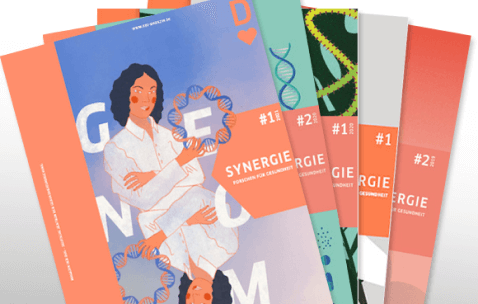
The new issue of SYNERGIE, the DZG's research magazine, is all about blood and blood counts. Find out more about the numerous and important functions of blood in our body and why blood counts have become indispensable for medical diagnostics.
7,200 liters of blood flow through our organs every day. It supplies the human body with oxygen, transports hormones to the cells where they are needed and carries nutrients from food to tissues and organs. It also helps to ward off pathogens and balances our body temperature.
In addition, blood can provide insights that have become indispensable for medical diagnostics. When taking a blood sample - one of the most important diagnostic methods in medicine - the number and type of cells in the fluid can be determined. The "blood count" can help to detect anaemia, infections, diabetes or blood diseases. However, our blood can tell us much more about our body: if certain enzyme levels are elevated, this can indicate problems with the liver or kidneys. Imbalances in electrolytes or minerals indicate kidney disease or hormonal imbalances. If proteins such as troponin are elevated, this can indicate heart problems, while elevated cholesterol and triglyceride levels increase the risk of heart attack and stroke. Infections with HIV, hepatitis viruses, SARS-CoV-2, the West Nile virus and other pathogenic viruses, bacteria and parasites can also be detected in the blood, as can proteins that indicate brain diseases.
Researchers at the German Centers for Health Research (DZG) are working on our blood in numerous projects. It still holds many secrets and developments in science and technology have opened up new possibilities to better understand, recognize and treat diseases.
Read the full article and many other exciting articles in the new issue #2 | 2023 of SYNERGIE magazine. The magazine of the German Centers for Health Research is published twice a year online and as a printed edition.
The German Centers for Health Research (DZG) presented career opportunities in translational medical research at the annual conference of the German Academic International Network (GAIN) in Boston/USA from August 25 to 27, 2023.
The DZG workshop offered there for the first time focused on the career factor network. Visitors were able to get to know the individual DZGs better at a booth at the Talent Fair. There, as well as during a joint lunch session, representatives of the DZGs were available to answer the visitors' specific questions.
A highlight at the GAIN Meeting was the workshop on 'Career Factor Network' organized by the DZG together with the Munich Center for Quantum Science and Technology (MCQST). This event illustrated the great importance of networks in academic research and offered the participants valuable insights and advices on how to develop and maintain an effective professional network.
The workshop featured presentations by Prof. Dr. Dr. h. c. Michael Hoch, Rector of the University of Bonn, Dr. Timo Jäger, Managing Director of the German Center for Infection Research (DZIF), Dr. Dr. Angelique Hölzemer, working for the German Center for Infection Research (DZIF) at the Leibniz Institute of Virology and the University Medical Center Hamburg-Eppendorf (UKE), and Anca Ionescu, responsible for public relations at the Cluster of Excellence Munich Center for Quantum Science and Technology (MCQST).
The speakers demonstrated the advantages of working within a well-established research network and shared their own experiences and success stories with the participants. Practical tips on how to identify and contact potential collaborators and mentors rounded off the workshop. The conclusion of the workshop was that an interdisciplinary network, visibility in the research world and sufficient scientific and technical resources are of particular importance for a successful scientific career.
The workshop was offered again online on September 19, 2023. In the slightly modified speaker panel, Dr. Dr. Angelique Hölzemer and Anca Ionescu were joined by Dr. Susanne Flach, Clinician Scientist at the German Consortium for Translational Cancer Research (DKTK) at Ludwig-Maximilians-Universität (LMU) Munich, Dr. Christian Kalberlah, Managing Director of the German Center for Lung Research (DZL), and Dr. Björn Sbierski, Researcher at the MQST at LMU.
The GAIN conference and online workshops are organized annually by the German Academic International Network (GAIN) for internationally active German scientists. The aim is to achieve exchange with representatives from the German academic community and to highlight career opportunities in Germany. The conference is particularly aimed at researchers from Germany who are active on the North American continent.
www.gain-network.org/de/karrieren-gestalten/gain-jahrestagung/
You are currently viewing a placeholder content from Google Maps. To access the actual content, click the button below. Please note that doing so will share data with third-party providers.
More InformationYou are currently viewing a placeholder content from OpenStreetMap. To access the actual content, click the button below. Please note that doing so will share data with third-party providers.
More InformationYou are currently viewing a placeholder content from Mapbox. To access the actual content, click the button below. Please note that doing so will share data with third-party providers.
More InformationYou need to load content from hCaptcha to submit the form. Please note that doing so will share data with third-party providers.
More InformationYou need to load content from reCAPTCHA to submit the form. Please note that doing so will share data with third-party providers.
More InformationYou need to load content from reCAPTCHA to submit the form. Please note that doing so will share data with third-party providers.
More InformationYou need to load content from reCAPTCHA to submit the form. Please note that doing so will share data with third-party providers.
More InformationYou need to load content from Turnstile to submit the form. Please note that doing so will share data with third-party providers.
More Information